A Family Guide to Picking Safe and Comfortable Elderly Care Residences
Business Name: BeeHive Homes of Santa Fe NM
Address: 3838 Thomas Rd, Santa Fe, NM 87507
Phone: (505) 591-7021
BeeHive Homes of Santa Fe NM
BeeHive Homes of Santa Fe NM is a premier Santa Fe Assisted Living facilities and the perfect transition from an independent living facility or environment. Our Alzheimer care in Santa Fe, NM is designed to be smaller to create a more intimate atmosphere and to provide a family feel while our residents experience exceptional quality care. We promote memory care assisted living with caregivers who are here to help. Memory care assisted living is one of the most specialized types of senior living facilities you'll find. Dementia care assisted living in Santa Fe NM offers catered memory care services, attention and medication management, often in a secure dementia assisted living in Santa Fe or nursing home setting.
3838 Thomas Rd, Santa Fe, NM 87507
Business Hours
Choosing an elderly care home for a parent or relative is among those decisions you feel in your stomach as much as in your head. Families fret about safety, self-respect, cost, and regret, often all at once. I have actually sat at cooking area tables with adult children who were tired from caregiving and terrified of slipping up, and I have actually strolled hallways with older adults who were quietly assessing whether a location could ever feel like home.
Good senior care is definitely possible, however it is manual. It takes careful questioning, repeated observation, and a truthful take a look at your loved one's requirements today and likely requirements in the future. The objective is not to find the "perfect" place, because that seldom exists, however to discover a safe and comfortable environment with the best level of assistance and a culture that appreciates older adults as individuals.
This guide will walk through how to think about options, what to try to find beyond the sales brochures, and how to balance security with quality of life.
Starting with your household's genuine situation
Families frequently begin the search when something has currently gone wrong: a fall, a hospitalization, a roaming event, a caregiver burnout moment. That seriousness can push people into quick decisions. Before visiting any elderly care homes, time out and take a hard look at your present situation.
Ask yourself, and if possible your loved one, questions like these: What are the particular obstacles we deal with weekly? What is actually unsafe versus simply bothersome? Just how much aid is needed with bathing, dressing, medications, mobility, and meals? Exist memory concerns that develop risks, like leaving the stove on or getting lost outside? Who is currently offering care, and how sustainable is that?
Families often underestimate needs since they do not want to "institutionalize" a loved one. Others overestimate, thinking that a person difficult night implies day-and-night nursing forever. Try to record what really happens over a normal week. If a parent insists they are great but you regularly find ruined food in the refrigerator, piles of unopened mail, or proof of falls, element that truth into your planning.
Clear understanding of needs is the foundation for choosing the right level of senior care, whether that is assisted living, respite care, memory care, or knowledgeable nursing.
Understanding the various types of care homes
People often use "nursing home" as a catch-all term, but the market has distinct categories. Choosing the incorrect level can either waste money on unwanted care or leave someone in an environment that can not keep them safe.
Assisted living
Assisted living communities concentrate on older grownups who can no longer live individually without some aid, but who do not require 24 hour medical care. Personnel help with activities of daily living such as bathing, toileting, dressing, medications, and meals. Numerous deal housekeeping, transportation, and social activities.
The finest assisted living settings motivate residents to do as much as they safely can. Self-reliance, even in small jobs, preserves self-respect and slows decrease. A warning is a community where locals look consistently passive, with personnel doing everything for them simply since it is faster.
Memory care
Memory care units or dedicated communities serve those with dementia or significant cognitive disability. Safety measures are stronger: secured doors, alarmed exits, clear signs, streamlined layouts, and personnel trained to manage behaviors such as agitation or wandering.
Not everybody with moderate lapse of memory needs formal memory care. It becomes strongly shown when there is a genuine threat of wandering, frequent confusion about time and place, or difficulty following instructions that are necessary for safety.
Skilled nursing facilities
Skilled nursing centers offer the highest level of medical support outside a hospital. They are structured around 24 hour nursing care, regular doctor oversight, and rehab services such as physical, occupational, and speech therapy. They are suitable for individuals with complex medical conditions, regular need for scientific interventions, or extreme physical limitations.
A common mistake is positioning a fairly social, physically capable older grownup in long term experienced nursing care entirely due to household fear. They then find themselves surrounded mainly by much frailer citizens and can decrease quickly due to seclusion. When possible, match to the least restrictive setting that can safely fulfill medical needs.
Respite care
Respite care refers to short-term remains in an assisted living or skilled nursing facility. Families utilize respite care when a primary caregiver requires rest, must travel, or is handling their own disease. Lots of communities offer respite remains varying from a few days to a number of weeks.
Respite care has two additional uses. It lets you "test drive" a neighborhood before dedicating to long term positioning, and it helps examine how your loved one responds to structured senior care. Somebody who initially refuses the idea of moving might actually enjoy the social interaction and regular meals once they try it.
Safety: non‑negotiables you ought to verify
Brochures talk a lot about chandeliers and chef prepared meals. Those can matter, but safety is the standard. If you can not confirm that the environment and practices are safe, nothing else compensates.
Staffing and supervision
Staffing levels vary by time of day and by care level. Ask particular questions, such as the number of caregivers are on duty at night per variety of citizens in the assisted living wing, or what the nurse to resident ratio is on the knowledgeable nursing side.
More personnel does not immediately mean better care, however chronically low staffing makes overlook nearly inevitable. Throughout a visit, see how rapidly personnel respond to call lights. Do you hear unanswered bells frequently? Do citizens look well groomed, or do you see numerous disheveled people waiting in wheelchairs along the halls?
Also inquire about personnel turnover. If a lot of caregivers have actually been there less than a year, the center might have assisted living near me problem with management, salaries, or culture. Stable groups typically deliver more constant elderly care since they understand the homeowners and their routines.
Fall prevention and mobility support
Falls are one of the main dangers to older adults in any setting. Look at floor covering, lighting, handrails, and the presence of grab bars in bathrooms. Ask whether they perform specific fall danger assessments and how frequently they update them.
A subtle but important point: some neighborhoods overreact to fall danger by restricting movement excessive. They keep homeowners in wheelchairs throughout the day, or prevent walking "for safety". This can result in muscle loss, worse balance, and a lot more falls. The right environment uses physical therapy, walking programs, and suitable assistive devices to keep individuals moving as safely as possible.
Medication management
Medication mistakes can be life threatening. Inquire about how medications are bought, kept, and administered. Exist double checks for changes after hospitalizations? How are high danger medications like blood slimmers or insulin managed? Who is enabled to administer them, and what training do they receive?
Families who have actually managed complex tablet schedules in the house sometimes feel relieved to hand this over. That is sensible, but stay included. Request regular medication evaluates with the nurse or pharmacist, particularly if you discover brand-new sleepiness, confusion, or falls.
Infection control
The pandemic brought infection control into sharp focus, but even in regular times, older grownups are vulnerable to flu, pneumonia, and other infections. Walk and look at tidiness. Prevail locations and bathrooms visibly maintained? Do staff wash or sterilize their hands in between residents? How do they deal with outbreaks of influenza or norovirus?
You are not anticipated to be an infection control specialist, however you can inform if an organization takes hygiene seriously. A center that smells persistently of urine, for example, is transmitting a problem.
Comfort and lifestyle: beyond safety
Once you are confident about safety, shift attention to whether someone might truly live, not simply exist, in this setting. Elders are not just patients. They are individuals with histories, choices, and stubborn habits.
Physical environment
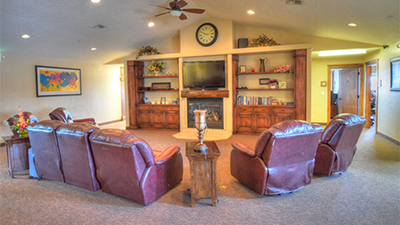
Look at the spaces and typical locations through your loved one's eyes. Could they individualize the space with familiar furnishings or photos? Exist quiet areas as well as busier lounges, so introverts have an escape? Can residents go outside quickly, or is the garden a locked showpiece nobody can access without staff?
Noise level matters more than families frequently recognize. Continuous loud tvs, screamed conversations at the nurse station, or frequent overhead announcements can use people down, especially those with hearing loss or dementia.
Daily regimens and autonomy
Ask how versatile regimens are. Some elderly care homes are tightly scheduled: breakfast at 8, medications at 9, group exercise at 10, and so on. Others enable more individual option. Consider your relative's personality. A former teacher who liked structure might delight in a regular schedule, while a long-lasting night owl might frown at being woken each early morning at 6 for vitals.
Autonomy appears in small things. Can locals decide when to bathe and what to use? Can they decline activities without being identified "non certified"? Great senior care aspects "no" as a legitimate response other than in genuine safety situations.
Food and social life
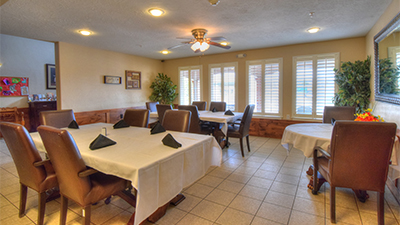
Food is more than nutrition, it is comfort and social connection. If possible, consume a meal there. Taste the food, see how staff interact in the dining room, and see whether homeowners talk with each other or eat in silence.
Social activities need to be more than bingo and television. Try to find variety: music, art, conversations, mild exercise, religious services if relevant, and chances for residents to contribute, not simply consume. Among the best assisted living communities I dealt with had residents running a small library cart for their neighbors, which provided function and daily interaction.
Preparing before you tour a community
Walking into a care home for the first time can feel frustrating. A bit of preparation assists you concentrate on what matters instead of getting distracted by décor.
Here is a concise preparation checklist you can adapt to your family.
- Write down a clear list of your loved one's day-to-day requirements, medical diagnoses, and any behaviors that fret you, so you can explain them regularly at each community.
- Gather details about your spending plan, including income, cost savings, insurance protection, and whether long term care insurance or veterans advantages might apply.
- Decide which relative will sign up with trips and who has final decision authority, to prevent confusion or conflict in front of staff.
- Prepare a short list of non negotiables, such as proximity to family, presence of memory care, or capability to accommodate special diets.
- Bring a notebook or utilize your phone to tape impressions right away after each visit, while details are still fresh.
When neighborhoods see that you are ready, they are most likely to treat you as partners instead of passive consumers. It also keeps you from forgetting important questions when you are standing in a busy hallway.
What to look for during visits
Tours are developed to highlight strengths, so you will see the nicest spaces and many passionate personnel. Your task is to look sideways at what is not being showcased and discover how the location operates when nobody is attempting to impress you.
Pay attention to how personnel speak about citizens. Do they use first names and warm tones, or do you hear phrases like "feeders" and "2 individual lift in 204"? Language reveals culture. Briefly chat with homeowners and, if appropriate, their going to families. Ask open questions such as "How long have you been here?" or "What do you like about living here?"
Observe the rate of life. A little chaos is typical in any human neighborhood, however consistent rushing or noticeable aggravation in staff frequently indicates persistent understaffing or bad leadership. Conversely, a place that feels lifeless, with locals dropped in wheelchairs lining the walls, recommends dullness and absence of engagement.
If possible, visit once without an appointment. You might not get a full tour, but you will see a more typical snapshot. Showing up mid afternoon rather of just during the lunch hour can show you how the community manages "in between" times.
Understanding agreements, costs, and what is included
The financial side of elderly care typically surprises families. Assisted living usually charges a base rent plus care fees that rise with the level of assistance needed. Proficient nursing has everyday rates, with different financing sources such as personal pay, Medicaid, or insurance covered rehab days.
Read the contract carefully. Essential concerns include whether the neighborhood can take care of your loved one if they decline, or if they will ultimately need a transfer to another facility. Some assisted living settings can not manage incontinence, feeding support, or late stage dementia. Others offer "aging in location" with finished support, in some cases at significantly higher cost.
Clarify what is included in the base rate. House cleaning, basic cable television, and basic meals are generally covered, but things like transport to consultations, in room phones, individual care items, and treatments might be billed separately. Ask for sample monthly billings, removed of identifying info, to see how charges are detailed in real life.
Financial openness is as much a trust problem as a math concern. Neighborhoods that prevent direct responses on costs or pressure you to sign rapidly "before rates go up" deserve additional scrutiny.
Common warnings that warrant caution
Families regularly ask what ought to make them walk away from a facility. Some issues are more flexible than others, but a few patterns correspond warnings.
- Strong, persistent smells of urine or feces throughout common areas, recommending persistent cleansing or staffing problems rather than a single incident.
- Staff who speak harshly to locals, overlook call lights, or appear visibly stressed out, rolling their eyes or grumbling about workloads in front of you.
- Vague or defensive responses when you inquire about staffing ratios, incident reporting, or state examination results, specifically if directory sites reveal current severe violations.
- Residents who seem unkempt, with long nails, filthy clothing, or obvious weight loss, indicating that standard personal care and nutrition might be neglected.
- High management turnover, such as numerous administrators or directors of nursing leaving within a brief period, which frequently destabilizes the whole operation.
If you see one of these, you can raise it politely and see how the neighborhood responds. Truthful recommendation and a concrete strategy carry more weight than shiny assurances. If you see several of these combined, look elsewhere.
Involving your loved one in the decision
Sometimes the older adult eagerly wants to move, generally when they feel lonely or overloaded at home. More often, they feel anxious or resistant, especially if the discussion begins late in the process.
Try to involve them from the beginning, within the limits of their cognitive capability. Ask how they imagine a good living circumstance, what they fear the most, and what conveniences they would dislike to quit. A parent might say their garden is everything to them, or that they can not sleep without their pet dog at their feet. Those information assist you focus on functions like outside area or family pet friendly policies.
Be honest about the risks of staying home without appropriate support. Sugarcoating truth hardly ever develops trust. At the exact same time, prevent providing the relocation as something "we are doing to you". Framing it as a shared problem to resolve can reduce defensiveness. For example, "We are fretted about your safety on the stairs. Let us look together at some locations where you might be safer however still see us typically."
When dementia is advanced, joint decision making might look more like using small, meaningful choices within a larger plan, such as selecting room colors or preferred pictures to hang.
Managing the shift and the very first ninety days
Even in the very best assisted living or nursing center, the relocation itself is disruptive. People leave familiar environments, regimens, and next-door neighbors behind. Expect a change period of several weeks to a few months.
Families often feel lured to visit constantly for the very first few days, then abruptly go back. A steadier approach typically works much better. Visit routinely but permit staff to develop their own relationships with your loved one. If every need is satisfied only by family, the resident might have a hard time to integrate. On the other hand, total withdrawal can seem like abandonment.
Make the space feel individual from the start. Bring images, favorite blankets, a familiar chair if space permits, and small items that bring psychological weight, such as a bedside lamp or a well worn book. Coordinate with staff about any security restraints before bringing electronics or furniture.

During the very first ninety days, take note of state of mind, sleep, hunger, and physical function. A little bit of decrease is common while someone adapts, however consistent worsening deserves attention. Share concerns early with the care team instead of awaiting formal care plan conferences. You are permitted to request adjustments to regimens, showers, or activities.
One useful technique is to keep a simple communication notebook in the room where household and personnel leave short updates. This supports continuity across shifts and amongst far flung relatives.
Balancing safety, dignity, and realism
Every household wrestles with trade offs. A highly medicalized setting might optimize physical security however leave an active older adult miserable. A vibrant assisted living neighborhood may thrill a social parent but battle when their dementia progresses. Money, location, and family dynamics all develop real constraints.
Strive for a balance that appreciates both security and self-respect. Ask, "What dangers are we attempting to prevent, and at what cost to every day life?" In some cases accepting a small, handled threat, such as permitting a resident to continue using a walker instead of confining them to a wheelchair, uses huge benefits to self esteem and happiness.
Finally, do not treat the choice as long-term and unchangeable. Senior care needs evolve. An elderly care home that fits well today might not be right in three years. Stay engaged, observe with clear eyes, and want to reassess if scenarios change.
Families who approach this process with curiosity, perseverance, and a willingness to ask tough questions tend to discover alternatives that support both safety and convenience. The objective is not to produce a bubble of perfect security, but to assist your loved one live as fully as possible, in a location where they are known, respected, and cared for.
BeeHive Homes of Santa Fe NM provides assisted living care
BeeHive Homes of Santa Fe NM provides memory care services
BeeHive Homes of Santa Fe NM provides respite care services
BeeHive Homes of Santa Fe NM supports assistance with bathing and grooming
BeeHive Homes of Santa Fe NM offers private bedrooms with private bathrooms
BeeHive Homes of Santa Fe NM provides medication monitoring and documentation
BeeHive Homes of Santa Fe NM serves dietitian-approved meals
BeeHive Homes of Santa Fe NM provides housekeeping services
BeeHive Homes of Santa Fe NM provides laundry services
BeeHive Homes of Santa Fe NM offers community dining and social engagement activities
BeeHive Homes of Santa Fe NM features life enrichment activities
BeeHive Homes of Santa Fe NM supports personal care assistance during meals and daily routines
BeeHive Homes of Santa Fe NM promotes frequent physical and mental exercise opportunities
BeeHive Homes of Santa Fe NM provides a home-like residential environment
BeeHive Homes of Santa Fe NM creates customized care plans as residents’ needs change
BeeHive Homes of Santa Fe NM assesses individual resident care needs
BeeHive Homes of Santa Fe NM accepts private pay and long-term care insurance
BeeHive Homes of Santa Fe NM assists qualified veterans with Aid and Attendance benefits
BeeHive Homes of Santa Fe NM encourages meaningful resident-to-staff relationships
BeeHive Homes of Santa Fe NM delivers compassionate, attentive senior care focused on dignity and comfort
BeeHive Homes of Santa Fe NM has a phone number of (505) 591-7021
BeeHive Homes of Santa Fe NM has an address of 3838 Thomas Rd, Santa Fe, NM 87507
BeeHive Homes of Santa Fe NM has a website https://beehivehomes.com/locations/santa-fe/
BeeHive Homes of Santa Fe NM has Google Maps listing https://maps.app.goo.gl/fzApm6ojmRryQMu76
BeeHive Homes of Santa Fe NM has Facebook page https://www.facebook.com/BeeHiveSantaFe
BeeHive Homes of Santa Fe NM has a YouTube channel at https://www.youtube.com/@WelcomeHomeBeeHiveHomes
BeeHive Homes of Santa Fe NM won Top Assisted Living Homes 2025
BeeHive Homes of Santa Fe NM earned Best Customer Service Award 2024
BeeHive Homes of Santa Fe NM placed 1st for Senior Living Communities 2025
People Also Ask about BeeHive Homes of Santa Fe NM
What is BeeHive Homes of Santa Fe NM Living monthly room rate?
The rate depends on the level of care that is needed. We do a pre-admission evaluation for each resident to determine the level of care needed. The monthly rate is based on this evaluation. There are no hidden costs or fees
Can residents stay in BeeHive Homes of Santa Fe NM until the end of their life?
Usually yes. There are exceptions, such as when there are safety issues with the resident, or they need 24 hour skilled nursing services
Does BeeHive Homes of Santa Fe NM have a nurse on staff?
No, but each BeeHive Home has a consulting Nurse available 24 – 7. if nursing services are needed, a doctor can order home health to come into the home
What are BeeHive Homes of Santa Fe NM visiting hours?
Visiting hours are adjusted to accommodate the families and the resident’s needs… just not too early or too late
Do we have couple’s rooms available?
Yes, each home has rooms designed to accommodate couples. Please ask about the availability of these rooms
Where is BeeHive Homes of Santa Fe NM located?
BeeHive Homes of Santa Fe NM is conveniently located at 3838 Thomas Rd, Santa Fe, NM 87507. You can easily find directions on Google Maps or call at (505) 591-7021 Monday through Sunday 9:00am to 5:00pm
How can I contact BeeHive Homes of Santa Fe NM?
You can contact BeeHive Homes of Santa Fe NM by phone at: (505) 591-7021, visit their website at https://beehivehomes.com/locations/santa-fe, or connect on social media via Facebook or YouTube
You might take a short drive to the New Mexico History Museum. The New Mexico History Museum provides calm, educational exhibits that can enhance assisted living, senior care, elderly care, and respite care experiences.